
Contact Center Technology Assessment: A Practical Evaluation Framework for Enterprise CX Leaders
By Cloud Tech Gurus
In the rapidly evolving landscape of customer experience (CX), understanding and evaluating “contact center technology” is paramount for enterprise leaders. A comprehensive contact center technology assessment helps organizations identify their current capabilities, uncover gaps, and foster enhanced service delivery. This article offers a practical framework for CX leaders, detailing the essential components of technology assessments, the significance of migration readiness, and effective vendor evaluation strategies. By focusing on best practices and actionable insights, enterprise leaders can optimize their contact center operations, ultimately transforming their customer engagement strategies. The key sections include an exploration of the components of a technology assessment, migration impacts, vendor evaluation criteria, and expected outcomes from structured assessments.
What Are the Key Components of a Contact Center Technology Assessment?
A successful contact center technology assessment encompasses several critical elements essential for understanding the current operational landscape. The primary components include:
- Current State Analysis: This step involves a thorough review of existing technologies, workflows, and performance metrics to establish a baseline for improvement.
- Stakeholder Interviews: Engaging with key stakeholders provides valuable insights into operational challenges and customer expectations, ensuring that the assessment addresses relevant issues.
- Gap Analysis: By comparing current capabilities against industry best practices, organizations can identify areas needing enhancement, paving the way for targeted technology investments.
Establishing these foundational components is crucial for a robust evaluation of contact center technology and sets the stage for strategic improvements.
To gain a deeper perspective on how these assessments inform operational capacity and resource management, consider the following expert analysis on contemporary call handling models.
Evaluating Contact Center Performance: Resource Planning , Modern Models
This article provides an in-depth examination of contemporary call handling models used in contact centers, emphasizing their evolution and adaptation to current technological advancements. The study starts with classical models, such as the Erlang models (Erlang B, Erlang C, and Erlang A), which are grounded in Poisson processes and Markov chains, and highlights their applicability in different contact center scenarios. These models are crucial for evaluating system performance, such as calculating the probability of service denial, waiting times, and the optimal number of agents needed. An overview of models for contact center resource planning, 2024
How Does Migration Readiness Impact Contact Center Transformation?

Migration readiness is a pivotal element in the successful transformation of contact center technology. It focuses on the organization’s preparedness to adopt new technology solutions and the strategic implications of the transition. A few important factors include:
- Technology Adoption: The success of migration largely depends on the readiness of staff to adapt to new tools and systems. Proper training and support systems should be established to ease the transition.
- Streamlined Processes: An assessment of existing processes can unveil opportunities for streamlining operations during migration, ensuring an uninterrupted customer experience.
- Customer Experience Enhancement: Proactive migration planning facilitates smooth transitions, preserving customer satisfaction and engagement levels throughout the process.
For organizations aiming for successful transformations, aligning migration readiness with technological upgrades is essential.
Cloud Tech Gurus LLC specializes in “consulting services” focused on enterprise contact center technology, helping organizations navigate their transformation journeys effectively.
What Criteria Define an Effective Vendor Evaluation Framework?
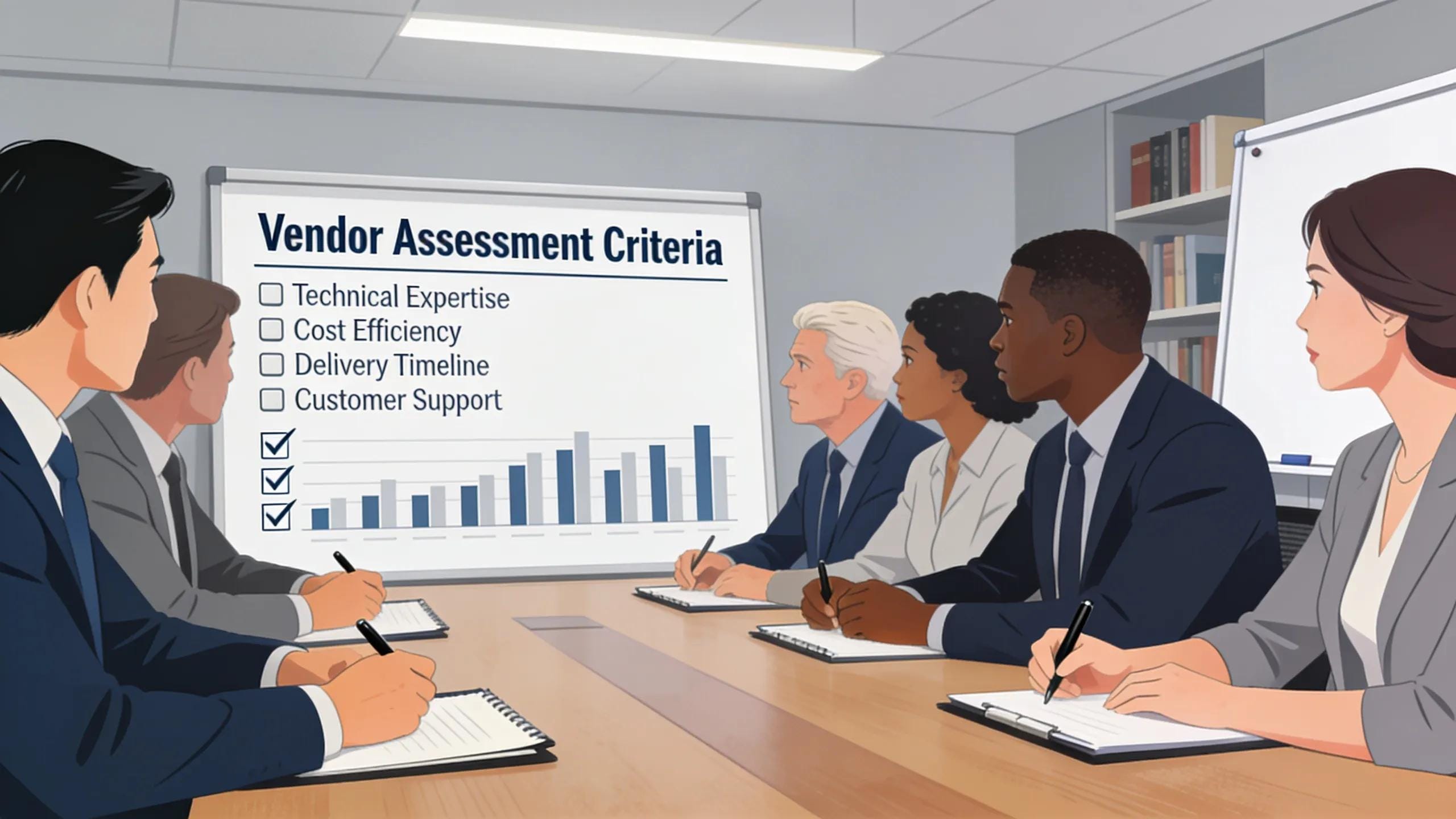
An effective vendor evaluation framework is critical for selecting the right technology partners. This framework should incorporate measurable success criteria that allow organizations to assess vendor capabilities. Key criteria include:
- Operational Fit: The evaluation should consider how well a vendor’s solutions align with the organization’s operational requirements and goals.
- Implementation Timelines: Understanding the time it takes for vendors to implement their solutions can impact project planning and resource allocation.
- Total Cost of Ownership: Analyzing the entire lifecycle cost (beyond initial expenditures) ensures organizations are equipped to make informed decisions.
These criteria provide a structured approach to vendor comparisons and help organizations partner with “vendors who align” with their strategic objectives and operational needs.
How to Conduct a Cloud Contact Center Readiness Evaluation?
A cloud contact center readiness evaluation involves several competencies aimed at ensuring seamless integration of cloud technologies. Here are the essential steps:
- Evaluate Current State and Cloud Alignment: Assess existing systems and workflows to determine alignment with potential cloud solutions.
- Identify Gaps and Create a Remediation Plan: Pinpoint deficiencies in current setups that the new systems should address.
- Implement Risk Assessment Strategies: This involves understanding potential risks associated with cloud migration, such as security vulnerabilities or technical challenges.
Completing this evaluation ensures that organizations are well-prepared for a successful transition to cloud technologies.
Which Steps Are Included in the CCaaS Migration Readiness Checklist?
A CCaaS (Contact Center as a Service) migration readiness checklist should contain specific steps that guide organizations through the transition process, including the following:
- Assess Infrastructure Before Migration: Ensure that your current IT infrastructure supports the new cloud solutions to avoid disruptions.
- Conduct Thorough Testing Post-Migration: Testing is crucial to ensure all functionalities work as expected before the full-scale deployment.
- Focus on Change Management Practices: Implementing change management strategies is vital for employee adaptation and customer acceptance.
This checklist serves as a roadmap for organizations looking to implement cloud-based contact center solutions effectively.
What Best Practices Optimize Migration Risk Assessment?
To optimize migration risk assessment, organizations should adopt several best practices:
- Run Parallel Systems to Reduce Risk: Keeping existing systems operational during migration allows for validation of new solutions in real-time.
- Utilize Pilot Programs for New Features: Testing functionality with a small user group before wider deployment can yield useful insights.
- Establish Contingency Plans: Preparing for potential setbacks ensures that organizations can quickly address issues that arise during migration.
These best practices cultivate a risk-aware culture that minimizes disruptions during the transition to new technologies.
How to Compare Contact Center Vendors for Enterprise CX Technology Solutions?
Effective vendor comparison is fundamental for enterprises seeking contact center solutions optimized for CX. Utilizing a structured approach enhances decision-making. Here are key considerations:
- Utilize a Scoring Framework for Comparison: Establish metrics that enable quantitative comparisons of vendor capabilities.
- Conduct In-depth Demo Evaluations: Engaging with prospective vendors through demos allows organizations to assess the functionality of solutions in practice.
- Engage Stakeholders in the Decision Process: Involving relevant team members in evaluations ensures that varied perspectives are considered in decision-making.
Using such strategies will facilitate an informed selection process, leading to more effective partnerships.
What Are the Most Important Vendor Scorecard Criteria?
A vendor scorecard should incorporate crucial metrics to streamline evaluation. These criteria include:
- Operational Fit: Ensures that vendor solutions integrate seamlessly with existing frameworks and processes.
- Implementation Timelines: Assesses the feasibility of a vendor’s schedule predicated on your project deadlines.
- Security and Compliance: Validating a vendor’s security measures and compliance with regulations is essential for protecting sensitive data.
A well-structured scorecard enhances the transparency and efficacy of the vendor selection process.
How Does Vendor Evaluation Influence Post-Migration Performance Metrics?
The choice of vendor significantly influences the operational performance metrics following migration. Key points include:
- Enhancement of First Call Resolution (FCR): Vendor capabilities can directly impact customer satisfaction and the efficiency of service.
- Customer Satisfaction (CSAT) Scores: The technologies provided by vendors can either bolster or hinder the customer experience, affecting satisfaction metrics.
- Operational Efficiencies: Effective vendor solutions can streamline processes, offering quantifiable improvements in operational performance.
These metrics should be closely monitored to assess the success of vendor partnerships.
What Outcomes Can Enterprise CX Leaders Expect from a Structured Assessment?
A structured assessment is fundamental for enterprise CX leaders aiming for operational excellence. Outcomes of such assessments include:
- Measurable Improvements: Assessments provide data-driven insights that lead to quantifiable enhancements in performance.
- Clear Transformation Roadmap: Organizations gain a defined strategic plan that guides technological and operational advancements.
- Stakeholder Buy-in: Transparent evaluations foster greater stakeholder alignment and support for proposed changes.
These outcomes signify the importance of conducted assessments in driving strategic advancements.
How Does Consulting Enhance Contact Center Technology Strategy?
Consulting plays a pivotal role in refining contact center cloud technology strategies. Key contributions include:
- Comprehensive Assessments: Consulting firms provide thorough evaluations of existing systems, identifying areas for potential improvement.
- Root-cause Analysis: Expert consultants dig deep to uncover fundamental issues affecting performance and customer experience.
- Clear ROI Projections: By quantifying expected outcomes of technology deployments, consulting enhances investment decisions.
These aspects underscore the value of expert guidance in navigating complex technological landscapes.
What Are Proven ROI and Performance Gains After Assessment and Migration?
Post-assessment and migration, organizations can expect several performance gains, such as:
- Operational Improvements: Enhanced efficiencies often result from streamlined processes and optimized technology.
- Clear ROI Projections: Organizations tend to see measurable returns on investment that justify technological changes.
- Continuous Improvements: A commitment to ongoing assessment fosters a culture of enhancement, ensuring long-term success.
Understanding these benefits can further motivate enterprises to engage in structured assessments and migrations toward modern technology solutions.
Partner with Cloud Tech Gurus for Your Contact Center Transformation
We have been in your chair, providing enterprise-grade strategic counsel on contact center technology at roughly 50 percent lower cost, guided by senior operators with deep industry expertise. Let us help you navigate your transformation journey with proven frameworks and actionable insights tailored to your organization’s needs.


