
Implementing Artificial Intelligence (AI) in contact centers presents unique opportunities and challenges that organizations must navigate carefully. An operational readiness framework provides a structured approach for assessing the capabilities necessary for successful AI adoption. In this article, we will explore the critical elements to evaluate, including technology infrastructure, workforce readiness, and potential operational risks. By understanding these components, enterprises can establish a path that mitigates risks associated with AI integration while enhancing customer experience through improved service delivery. The primary focus will be on assessing the readiness of contact centers for AI deployment, highlighting essential factors, methodologies for assessment, and strategies for successful implementation.
To better understand how organizational factors influence adoption success, researchers have examined the causal structures underlying readiness frameworks across different institutional contexts.
Organisational Readiness for AI Contact Center Adoption
This study examines the causal structure of organisational readiness factors for AI contact center adoption in Indonesian banking and develops a scenario planning framework to guide implementation strategy across institutional contexts.
Organisational Readiness for AI Contact Center Adoption in Indonesian Banking, NA Windasari, 2026
What Are the Essential Components of a Contact Center AI Readiness Assessment?
An effective AI readiness assessment encompasses several key components essential for determining the feasibility of AI applications in contact centers. These components lay the groundwork for a successful implementation strategy.
- Data Maturity Assessment: Evaluating the quality and volume of data available is critical. Organizations must ensure that their data is clean, structured, and relevant for AI algorithms to produce valuable insights.
- Technology Stack Evaluation: It is essential to assess whether existing technology systems are compatible with AI solutions. This evaluation ensures that the technology stack can support the integration of AI tools effectively.
- Operational Readiness Review: This involves analyzing current processes and workflows to identify alignment opportunities with AI capabilities, ensuring that operational changes can be made smoothly.
The assessment framework sets the stage for successful AI integration, illustrating how readiness factors influence overall efficiency and effectiveness.
How to Evaluate Technology Infrastructure for AI Integration

Evaluating the technology infrastructure is a fundamental step in preparing for AI integration. This process involves several strategies:
- Identify Compatibility: Organizations need to determine if their existing systems can accommodate AI solutions seamlessly, which includes cloud storage capabilities and data processing power.
- Engage IT Teams Early: Involving IT departments from the onset can facilitate smoother transitions, as they will provide insights into technical requirements and resource allocation for the integration process.
A comprehensive approach typically addresses broader pillars including model development methodologies and compliance standards alongside infrastructure.
Strategic Framework for AI Integration in Enterprise Contact Centers
The article explores four critical aspects: technological infrastructure assessment, AI model development methodologies, human-AI collaboration frameworks, and compliance with ethical standards. Artificial intelligence integration in enterprise contact centers: A strategic framework for implementation, 2025
Why Assess People and Training for Successful AI Adoption?
The human element of AI implementations cannot be overlooked. Assessing workforce readiness is vital for success. Key considerations include:
- Evaluate Current Capabilities: Organizations must identify the skills and competencies present among staff. This assessment helps in tailoring training programs that complement the technological adaptation.
- Training Needs: It’s important to consider what additional training or change management strategies are required to ensure that everyone is equipped to work effectively alongside AI technologies.
How Does Operational Readiness Mitigate Risks in Contact Center AI Deployments?
Operational readiness directly contributes to risk mitigation during AI deployments. By ensuring processes align with AI capabilities, organizations can tackle potential challenges proactively.
- Addressing Data Quality Issues: High-quality data is essential for AI success. Operational readiness includes establishing data governance frameworks to maintain data integrity.
- Integration Complexities: Anticipating and addressing integration complexities ahead of time through thorough planning can lessen the likelihood of deployment delays and service interruptions.
What Are Common Operational Risks in AI-Enabled Customer Service?
When implementing AI in customer service, various operational risks can arise:
- Data Quality Problems: Poor data quality can lead to ineffective AI outputs, which can negatively affect customer interactions.
- Integration Issues: Challenges in merging old systems with new AI tools can lead to operational disruptions, affecting service delivery and response times.
Which Risk Mitigation Strategies Ensure Seamless AI Transformation?
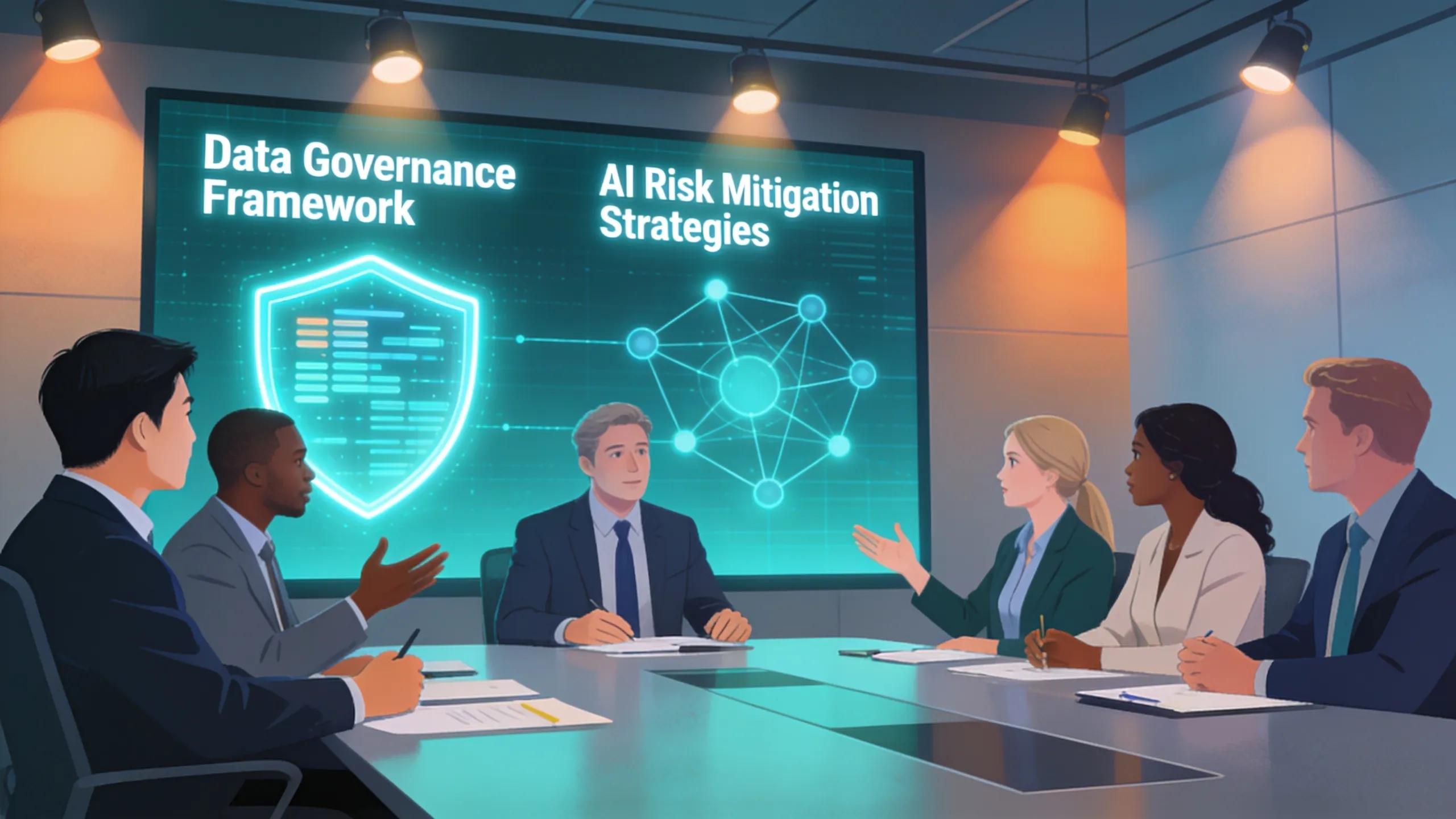
To ensure a smooth transition to AI, organizations must consider several risk mitigation strategies:
- Establish Strong Data Governance: Implementing a robust data governance framework can safeguard data integrity and quality, which are crucial for efficient AI operations.
- Engage Expert Consulting: Collaborating with AI technology consultants can provide tailored strategies and insights based on industry best practices, enhancing the overall success of the transformation.
This is where Cloud Tech Gurus comes in. Our AI Readiness & Strategy practice was built for exactly this stage, helping contact center leaders assess what’s actually ready, what isn’t, and what sequence of moves gets them to deployment without the false starts. We’ve run these assessments across healthcare, financial services, and BPO environments, and the pattern is consistent: the organizations that invest in readiness before vendor selection avoid the costly rework that comes from skipping it.
What Steps Define an Effective Operational Readiness Framework for Contact Center AI?
An effective operational readiness framework comprises distinct steps that allow organizations to assess their readiness thoroughly:
- Evaluation of Processes and Workflows: Organizations should conduct a thorough analysis of existing processes to identify areas that may require modifications to accommodate the new AI technologies.
- Engagement of Key Stakeholders: Involving stakeholders throughout the readiness assessment helps ensure that their insights are integrated into the planning process, improving buy-in and understanding of the AI initiative.
How to Develop a Transformation Roadmap for AI Implementation
Creating a clear transformation roadmap is critical for guiding AI implementation successfully. Key strategies include:
- Phased Implementation Approach: By breaking down the procedure into manageable phases, organizations can better adapt to changes and assess outcomes at each step.
- Stakeholder Engagement: It’s crucial for businesses to engage stakeholders throughout the process to ensure all concerns are addressed and objectives met.
Which Key Performance Indicators Measure AI Readiness Success?
Organizations can gauge their AI readiness and implementation success using several key performance indicators (KPIs):
- Customer Satisfaction Scores: Monitoring changes in customer satisfaction can indicate whether the AI tools are enhancing service delivery.
- Return on Investment Metrics: Evaluating the financial returns from the AI implementation gives insights into its overall effectiveness and value addition to the organization.
How Can Enterprises Leverage Contact Center AI Implementation Checklists for Streamlined Adoption?
Using implementation checklists can significantly enhance the AI adoption process. Key strategies include:
- Develop a Clear Readiness Checklist: A comprehensive checklist allows organizations to identify necessary steps for successful implementation systematically.
- Continuous Assessment Post-Implementation: Enterprises should engage in ongoing evaluations of AI tool performance to ensure sustained success and address any emerging challenges promptly.
Different components critical for a comprehensive AI readiness assessment showcase the groundwork necessary for successful AI adoption in contact centers.
Furthermore, experts emphasize that solving data engineering hurdles is paramount for successful enterprise transformations involving generative technologies.
Enterprise Readiness for Generative AI and Data Engineering
This paper argues that enterprise readiness for GenAI is primarily a data engineering problem: GenAI outcomes depend on the ability to reliably ingest, ingest, govern, and serve high quality data across fragmented environments. Enterprise Readiness for Generative AI: The Critical Role of Data Engineering, 2024
This table outlines how each component contributes uniquely to the overall landscape of AI integration in contact centers. Understanding these elements helps organizations prepare effectively for AI deployments.
If your team is evaluating AI for your contact center and you’re not sure where the gaps are, start with a readiness conversation. Cloud Tech Gurus runs vendor-neutral AI readiness assessments that map your data maturity, technology stack, and workforce preparedness, so you go into vendor conversations knowing exactly what you need.


