
Healthcare contact center compliance is a critical concern for healthcare contact centers, particularly when migrating to Contact Center as a Service (CCaaS) solutions. Ensuring regulatory adherence while maintaining data privacy is essential for protecting patient information and building trust. This guide provides practical insights into CCaaS migration services and vendor selection, highlighting best practices to achieve compliance effectively. Readers will learn about key compliance requirements, vendor evaluation criteria through contact center technology assessment, and the essential steps involved in a successful CCaaS transition. Moreover, this article explores strategies for ongoing compliance management post-migration.
As healthcare organizations embrace digital transformation, understanding the nuances of compliance becomes increasingly vital. This article outlines the steps necessary to assess pre-migration needs, select the right vendor, and implement compliance measures throughout the migration process. It also addresses common challenges and how to overcome them, equipping organizations with the knowledge to enhance their operational effectiveness while safeguarding patient data. At Cloud Tech Gurus, we bring operator-grade insight, evaluating more than 1,000 CX and AI solutions providers and 220 technology suppliers within 60 solution categories, supported by over 120 Gurus and 40 plus BPO providers. We spend more than 4,000 hours evaluating vendors and vetting new ones 50 plus hours per month. Our clients make decisions 70 percent faster, and their migrations are roughly 50 percent faster with around 50 percent fewer resources.
Pre-Migration Assessment
Before embarking on a CCaaS migration, it is essential to conduct a thorough pre-migration assessment. This process involves evaluating current operations and compliance needs to identify any gaps that may exist. By mapping existing workflows and understanding regulatory requirements, organizations can better prepare for a successful transition.
Understand Current Operations
Understanding current operations involves mapping out existing workflows and identifying compliance needs related to healthcare data handling. Assessment techniques include conducting interviews with staff, reviewing current processes, and analyzing integration capabilities with existing systems. This foundational knowledge aids in ensuring that the migration aligns with regulatory expectations.
Regulatory Compliance
Ensuring regulatory compliance requires a deep understanding of essential healthcare regulations such as HIPAA. Organizations must evaluate potential vendors based on their ability to comply with these standards. Topics for discussion should include Business Associate Agreements (BAAs) and data encryption standards that protect patient information.
Healthcare Contact Center Compliance in Vendor Selection Criteria
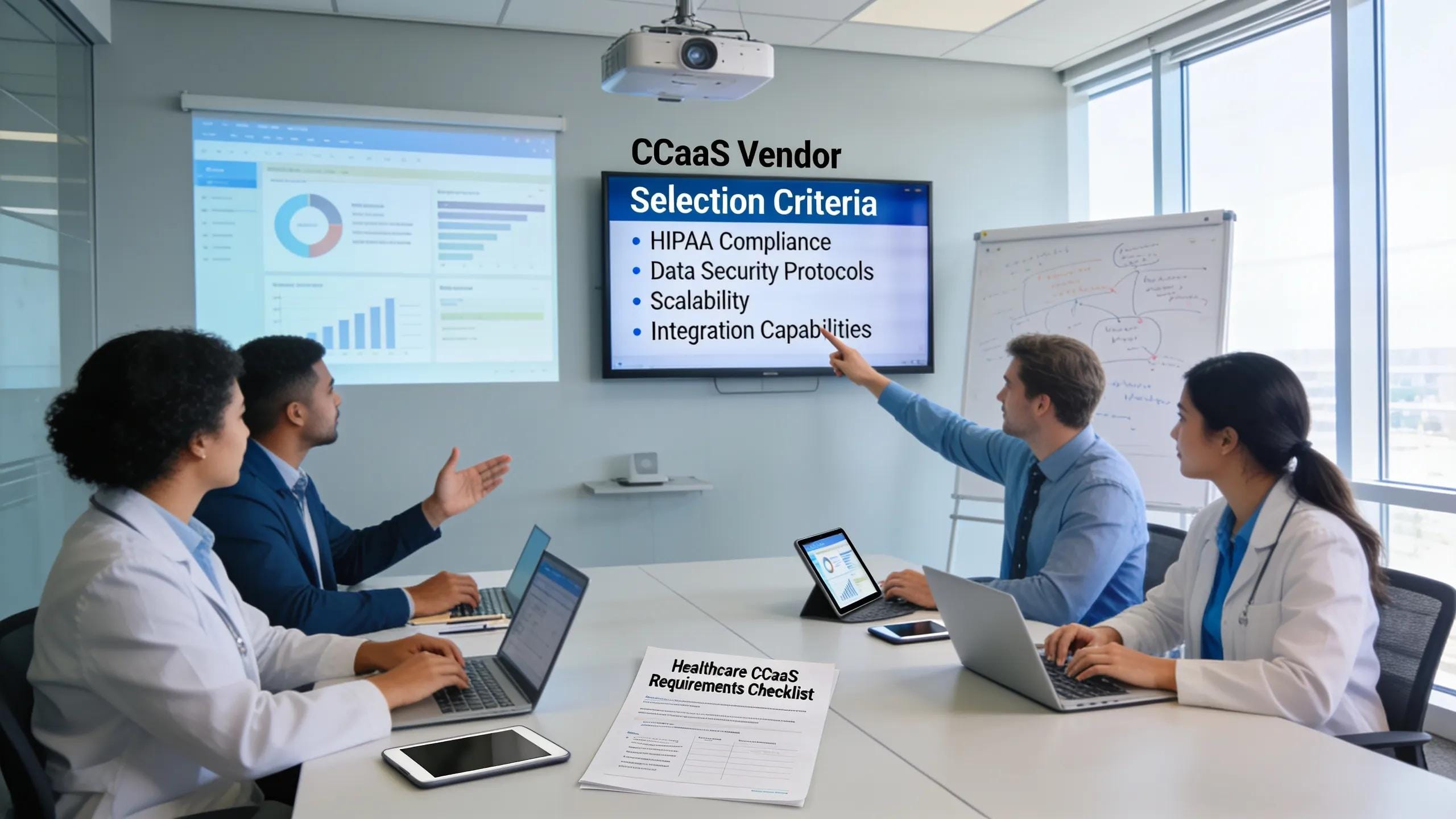
Selecting the right vendor for CCaaS solutions is a critical decision that can impact healthcare contact center compliance and data security. Organizations should establish a clear set of criteria to guide their evaluation process. These criteria must focus on healthcare-specific capabilities, security certifications, and the ability to integrate seamlessly with existing technology. Successful vendor selection is an area where our experience evaluating over 1,000 CX and AI solutions providers and 220 technology suppliers in the portfolio can make a difference, helping organizations avoid the risk inherent in the fact that more than 40 percent of CCaaS migrations are unsuccessful and only one in four companies are satisfied.
Comprehensive Migration Planning
Effective migration planning is key to achieving compliance during the transition to CCaaS. Organizations need to perform a comprehensive risk assessment and engage stakeholders throughout the planning process. This ensures that everyone involved understands the compliance framework that must be maintained during migration.
Implementation Strategy
The implementation strategy is crucial for the successful migration of healthcare contact center operations to a CCaaS environment. A phased migration approach can help organizations gradually adapt, ensuring that compliance remains a priority. During this phase, it is important to address training and support strategies for staff to equip them for using the new system effectively.
As organizations look for expert guidance in vendor selection and compliance strategies, Cloud Tech Gurus LLC offers consulting services tailored to the unique needs of healthcare providers. Their extensive experience in lead generation and technology assessments positions them as valuable partners in navigating the complexities of CCaaS migration.
Post-Migration Evaluation
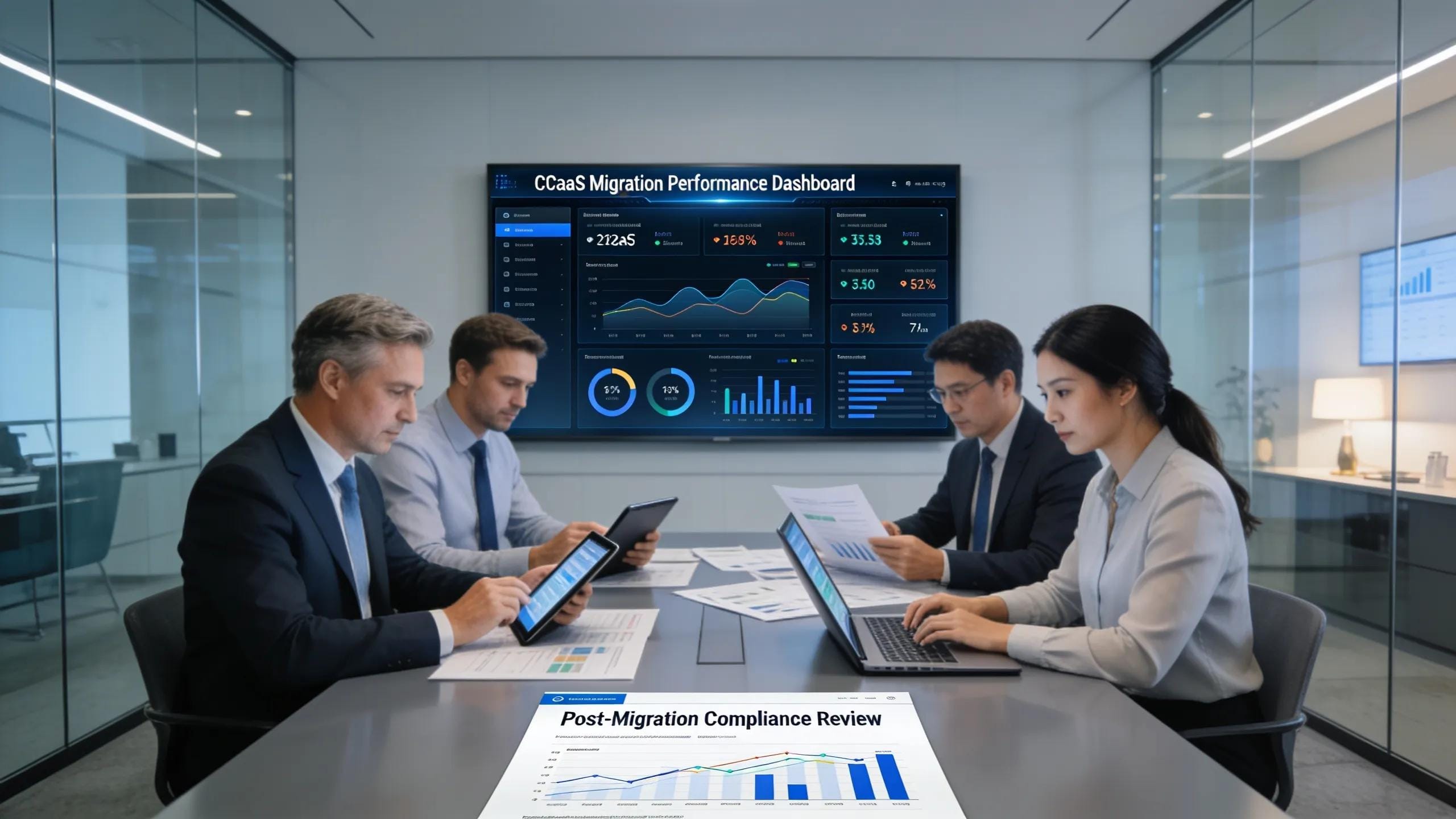
After completing the migration process, organizations must evaluate the success of the transition. Performance monitoring and feedback mechanisms are essential to ensure that compliance measures are functioning as intended. By reviewing outcomes post-migration, organizations can identify areas for improvement and adjust their strategies accordingly.
Ongoing Compliance and Data Privacy Management
Maintaining compliance post-migration involves establishing robust data governance policies and conducting regular audits. Organizations must remain vigilant about evolving regulations and ensure that their contact center operations continue to adhere to the required standards. This ongoing management is key to protecting patient information and fostering trust.
What Are the Essential Compliance Requirements for Healthcare Contact Centers Migrating to CCaaS?
Healthcare contact centers must adhere to several essential compliance requirements when migrating to CCaaS, including:
- PHI Handling and Security: Properly administering Protected Health Information (PHI) to prevent unauthorized access.
- Business Associate Agreements: Ensuring that all vendors handling PHI sign BAAs to comply with HIPAA standards.
- Data Encryption Standards: Employing encryption measures to protect sensitive data during transmission and storage.
For a deeper dive into securing cloud-based communication platforms in healthcare, consider the architectural best practices for HIPAA-compliant cloud contact centers.
Building HIPAA-Compliant Cloud Contact Centers: Architectural Best Practices
This article explores our managed cloud services for scalable, resilient, and HIPAA-compliant patient communication platforms for cloud-native contact centers, which include the architecture for a cloud-native contact center that utilizes cloud-based telephony and routing, a cloud-native backend orchestration platform, and conversational AI for automated patient engagement and clinical NLP for structured information extraction. Security architecture features include encryption, role-based access control, role-based network isolation and auditing for compliance.
AWS cloud architecture for scalable healthcare contact centers, S Padala, 2019
Which HIPAA and HITECH Regulations Impact CCaaS Adoption?
HIPAA and HITECH regulations play critical roles in CCaaS adoption, as they dictate the necessary compliance requirements for handling PHI. These regulations emphasize the safeguarding of patient data and outline penalties for non-compliance, making it imperative for healthcare organizations to follow them closely during their migration process.
How to Maintain Healthcare Data Privacy and Security during Cloud Contact Center Migration?
Maintaining data privacy and security during migration requires implementing the following strategies:
- Data Security Best Practices: Utilize secure data transfer protocols and ensure all staff are trained on data privacy measures.
- Privacy Frameworks: Leverage established frameworks to routinely assess data handling practices and ensure compliance with industry standards.
What Are the Primary Challenges and Risk Factors in CCaaS Migration for Healthcare Contact Centers?
Several challenges can accompany the migration to CCaaS, including:
- Compliance Issues: Ensuring all aspects of the CCaaS solution meet HIPAA and HITECH compliance.
- Operational Disruptions: Mitigating the impact of potential downtimes during the transition.
- Data Privacy Concerns: Addressing concerns regarding how data is managed and secured in the new cloud environment.
How to Assess and Mitigate Migration Risks Specific to Healthcare Contact Center Technologies?
To assess and mitigate risks associated with migration, organizations can employ strategies such as:
- Conducting Thorough Audits: Identify vulnerabilities prior to migration to address potential issues.
- Implementing Parallel Operations: Running old and new systems concurrently can help ease the transition and reduce risks.
- Pilot Programs: Testing the new system with a small group before a full rollout helps uncover and resolve problems early.
Which Migration Phases Require Strategic Planning for Regulatory Compliance?
Strategic planning for regulatory compliance should take place in several migration phases, including:
- Current State Diagnosis: Evaluating existing processes and systems for compliance gaps.
- Data Assessment: Analyzing the types of data being migrated and ensuring proper security measures are in place.
- Change Management: Developing a clear change management strategy that incorporates regulatory compliance into new workflows.
How to Evaluate and Select CCaaS Vendors for Healthcare Contact Center Compliance?
When evaluating potential CCaaS vendors, healthcare organizations should focus on the following criteria:
- Define Success Criteria: Create a clear set of goals for what the vendor should achieve in terms of compliance capabilities.
- Perform Structured Scoring: Develop a scoring system to objectively evaluate each vendor’s capabilities against your success criteria.
- Vendor Reference Checks: Reach out to references to gauge the vendor’s previous compliance successes in similar settings.
What Are the Key Vendor Selection Criteria Related to Regulatory Adherence and Security?
Key vendor selection criteria should include:
- Security Architecture Assessment: Analyzing the vendor’s security measures and solutions.
- Implementation Timelines: Understanding how quickly the vendor can implement necessary compliance measures during the migration.
- Total Cost of Ownership: Evaluating the long-term costs associated with compliance and security measures.
How Does a Vendor Compliance Scorecard Optimize Healthcare CCaaS Provider Selection?
A vendor compliance scorecard provides a structured framework for evaluating potential CCaaS solution providers based on compliance metrics. By reviewing key metrics such as data handling capabilities, response times, and historical compliance issues, organizations can make informed decisions about vendor selection.
What Best Practices and Case Studies Demonstrate Successful Healthcare CCaaS Migrations?
Best practices for successful CCaaS migrations often include:
- Documented Case Studies: Showcasing experiences from other healthcare organizations can help inform better decision-making.
- Success Metrics: Identifying and tracking quantifiable goals throughout the migration process ensures accountability and offers insights into best practices.
What Compliance Strategies Drove Measurable Outcomes in Recent Healthcare CCaaS Projects?
In recent projects, successful compliance strategies relied on:
- Strategies with Measurable Success: These included frequent compliance reviews and integration of data governance frameworks.
- Recent Project Outcomes: Analyzing outcomes of previous CCaaS migrations provides valuable insight into strategies that worked effectively.
How Do Enterprise Healthcare Contact Centers Integrate Compliance into Technology Assessments?
Integrating compliance into technology assessments is essential for enterprise healthcare contact centers. This should include:
- Compliance Checkpoints: Establishing critical checkpoints in the assessment process to ensure compliance is prioritized.
- Assessment Methodologies: Utilizing comprehensive methodologies that account for all regulatory requirements when evaluating technology solutions.
Partner with Experts for Healthcare Contact Center Compliance and CCaaS Migration Services
If you are navigating the complexities of healthcare contact center compliance or need support with CCaaS migration services and contact center technology assessment, our experienced team is ready to help. Benefit from operator-grade insights drawn from over 1,000 solution evaluations and industry-proven methodologies. Connect with Cloud Tech Gurus today to learn how to accelerate your migration and enhance compliance at a strategic level for roughly half the cost typically expected.


