
By Amittai Zihove, Cloud Tech Gurus
As organizations increasingly integrate artificial intelligence (AI) into their operations, understanding the readiness of contact centers for such advancements becomes essential. This article outlines a comprehensive checklist designed for enterprises looking to adopt AI technologies effectively. Readers will gain insights into critical evaluation criteria, the necessary technological infrastructure, and workforce training needs tailored to AI integration. Furthermore, this strategic guide presents best practices, benchmarks for success, and the evolving trends shaping the future of contact center operations. By addressing essential components, this resource aims to help organizations navigate the complex transition into AI-driven customer service environments.
For a deeper look into the strategic nuances of modernizing these operations, the following research highlights the key pillars of successful AI deployment.
Strategic Implementation of AI in Enterprise Contact Centers
The article explores four critical aspects: technological infrastructure assessment, AI model development methodologies, human-AI collaboration frameworks, and compliance with ethical standards. Through comprehensive analysis of recent research and industry practices, the article demonstrates how AI integration enhances customer experience, improves agent productivity, and optimizes operational costs while maintaining service quality. Artificial intelligence integration in enterprise contact centers: A strategic framework for implementation, 2025
What Are the Essential Criteria for Contact Center AI Readiness?
AI readiness in contact centers hinges on several fundamental criteria that must be evaluated before implementation. An essential first step is conducting a thorough data maturity assessment, which involves analyzing the quality and accessibility of existing data. This evaluation helps ensure that the necessary information for AI algorithms is reliable and actionable.
To succeed in this assessment, organizations must recognize that the quality of their data infrastructure dictates the ceiling of their AI performance.
Data Engineering: The Foundation of Enterprise AI Readiness
This paper argues that enterprise readiness for GenAI is primarily a data engineering problem: GenAI outcomes depend on the ability to reliably ingest, integrate, govern, and serve high quality data across fragmented environments. Through a literature based conceptual analysis, the study synthesizes the data engineering capabilities most critical to GenAI adoption, including scalable data pipelines, modern storage and processing architectures, integrated enterprise data platforms, and robust governance mechanisms. Enterprise Readiness for Generative AI: The Critical Role of Data Engineering, 2024
Next, organizations should undertake a technology stack evaluation to determine how current systems can support new AI solutions. This review should also assess the compatibility of existing infrastructure with potential AI tools, enabling a smooth integration process. Finally, organizations need to gauge their organizational change readiness, as adopting AI solutions often entails a cultural shift and employee alignment.
Evaluating these criteria enables businesses to create a tailored approach to AI adoption, turning potential challenges into opportunities for enhanced efficiency and customer experience.
Key Performance Indicators (KPIs)
Establishing measurable Key Performance Indicators (KPIs) is critical for tracking the success of AI initiatives in contact centers. KPIs directly tied to AI adoption can provide valuable insights into performance and efficiency gains.
- Success Rates: Monitoring the accuracy of AI responses and task completions can help evaluate system effectiveness.
- Implementation Timelines: Tracking project milestones ensures adherence to schedules and alignment with strategic goals.
- ROI Improvements: Measuring the return on investment from implemented AI solutions helps justify expenditures and guide future initiatives.
These metrics are essential for determining the impact of AI adoption and continuous improvement across contact center functions.
Technology Requirements
Understanding the technological needs for AI implementation is paramount for successful integration. Businesses must first assess their current systems to ensure compatibility with new tools. Not only should the existing technology stack support AI solutions, but organizations should also consider future scalability, allowing for growth and additional functionalities.
Moreover, businesses must evaluate the integration capabilities between AI tools and existing applications. This ensures smooth communication and data sharing across platforms, ultimately enhancing customer experience. Additionally, support for diverse AI tools, including machine learning and natural language processing, is vital for maximizing the benefits of AI adoption.
Workforce Training Needs
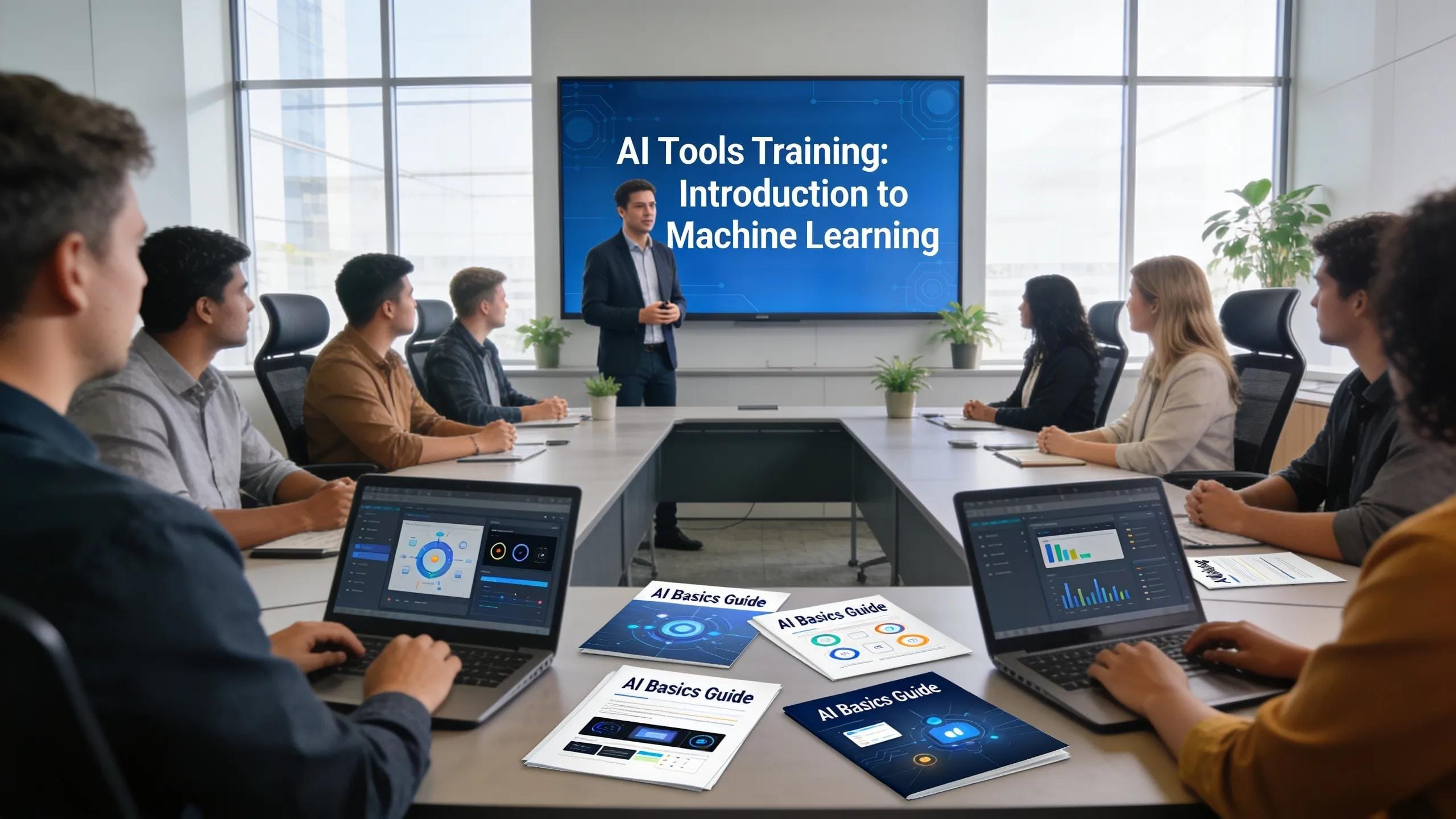
As AI technologies are set to revolutionize customer interactions, workforce training plays a crucial role in facilitating this transition. Employees must receive specific training to effectively utilize new AI tools and collaborate alongside AI systems.
- Agent Training: It’s essential to equip agents with skills to interpret AI-generated insights, handle complex customer inquiries, and oversee AI operations.
- Change Management Training: Developing a robust change management strategy ensures that employees are prepared for shifts in their roles and responsibilities, helping to minimize resistance to new technologies.
Implementing comprehensive training programs fosters a culture of adaptability and ensures that staff can leverage AI effectively in their daily operations.
How to Assess Technology Infrastructure for AI Adoption
Evaluating the technology infrastructure for AI adoption involves a rigorous assessment of existing systems to determine readiness for integration. Companies should begin by examining their technology stack compatibility, ensuring it supports the selected AI tools. Additionally, assessing data accessibility is crucial, as AI systems require vast amounts of quality data for optimal performance.
Finally, organizations must consider process maturity, evaluating how well-defined and efficient current processes are. This assessment helps identify gaps and areas for improvement, making the transition to AI smoother.
Which Process Maturity Factors Influence AI Readiness?
Various factors related to process maturity play a significant role in determining an organization’s readiness for AI implementation. A primary consideration is the review of the operational foundation, which assesses the efficiency of current processes and workflows. Organizations with well-established and streamlined operations are generally better positioned to adopt AI technologies effectively.
Another critical component is the organization’s capacity for change management. Successful AI adoption often requires alterations in workflow, policy, and culture; companies with a strong change management framework can facilitate smoother transitions.
How Does Conversational AI Technology Enhance Customer Experience?
Conversational AI technologies significantly enhance customer experience by providing automated assistance and personalized interactions. By utilizing natural language processing, these systems can understand customer inquiries and deliver tailored responses, leading to faster resolution times and increased customer satisfaction.
Additionally, conversational AI can assist agents by generating call summaries and insights based on previous interactions, enabling a more informed approach to customer service. By streamlining communication and improving response efficiency, conversational AI contributes to a superior customer experience.
What Are Conversational AI Capabilities Relevant to Contact Centers?
Several key capabilities of conversational AI are particularly relevant for contact centers aiming to improve service quality. First and foremost is natural language understanding (NLU), which enables the AI to comprehend and process human language effectively.
Moreover, omnichannel orchestration ensures that the AI can seamlessly handle interactions across various platforms, creating a consistent customer experience regardless of the communication channel. These capabilities position conversational AI as a transformative tool in modern customer service operations.
Advanced implementations often rely on specialized agent frameworks to coordinate these capabilities effectively across the enterprise.
Multi-Agentic AI Frameworks for Contact Center Transformation
The proposed framework establishes a comprehensive four-layer architecture encompassing environment integration, specialized agent operations, knowledge management, and governance control to facilitate seamless organizational technology adoption. Specialized agents are categorized into perception, cognition, action, and coordination functions, enabling distributed intelligence across complex organizational processes while maintaining system coherence and operational efficiency. Multi-agentic AI systems: a comprehensive framework for enterprise digital transformation, 2025
What Are Best Practices for Implementing AI in Contact Centers?
Implementing AI solutions in contact centers requires adherence to several best practices to maximize benefits and minimize disruptions.
- AI Readiness Assessment: Conduct a thorough evaluation to identify gaps and establish a clear roadmap before implementation.
- Strategic Roadmap Development: Develop a phased approach to implementation, prioritizing initiatives based on organizational goals and customer needs.
- Stakeholder Involvement: Involve key stakeholders from various departments to ensure alignment and buy-in throughout the implementation process.
These practices help ensure that the AI integration strategy aligns with broader organizational objectives and enhances customer service capabilities.
Integrating Cloud Tech Gurus LLC in this context emphasizes the importance of consulting services that help companies prepare for AI adoption effectively. With expertise in leveraging advanced cloud technologies, Cloud Tech Gurus LLC can assist enterprises in implementing tailored AI solutions that enhance customer experience.
How to Develop a Phased Contact Center AI Implementation Roadmap?
Developing a phased roadmap for AI implementation involves several critical steps to ensure a successful transition.
- Prioritization of AI Initiatives: Identify key initiatives based on potential impact and strategic alignment.
- Involvement of Stakeholders: Engage with stakeholders at all levels for input and support during the implementation process.
- Iterative Assessment and Feedback: Regularly assess the progress of initiatives and gather feedback to make necessary adjustments.
This structured approach enables organizations to navigate the complexities of AI integration, ensuring that objectives are met efficiently.
How Should Enterprises Manage Workforce Enablement and Change?
Managing workforce enablement during AI implementation is crucial for fostering acceptance and adaptability among employees. A comprehensive strategy should include:
- Training and Upskilling: Provide employees with opportunities to acquire new skills and knowledge related to AI technologies.
- Continuous Feedback Loops: Establish channels for ongoing feedback to address concerns and gather insights on the implementation process.
These strategies enhance employee engagement and promote a culture of continuous improvement in adapting to new technologies.
Which Metrics and KPIs Measure Success of AI Adoption?
Measuring the success of AI adoption in contact centers can be streamlined by focusing on key metrics and KPIs that reflect performance improvements. Some critical metrics include:
- First Contact Resolution: Assessing the percentage of customer inquiries resolved during the first interaction.
- Customer Satisfaction: Monitoring customer feedback scores to gauge service quality.
- Average Handle Time: Evaluating the efficiency of interactions by measuring time taken to resolve issues.
These metrics provide valuable insights into the impact of AI technology on overall customer service effectiveness.
How to Track ROI and Performance Improvements After AI Integration?
Tracking the return on investment (ROI) and performance improvements following AI integration is vital for understanding the value derived from AI solutions. Companies should implement:
- Key Metrics Tracking: Establish a set of KPIs that reflect the effectiveness of AI operations.
- Reporting Techniques: Utilize dashboards and analytical tools to visualize performance data and track trends.
By establishing a robust framework for monitoring performance, organizations can make data-driven decisions and demonstrate the value of their AI investments.
What Are Effective Methods to Benchmark AI Maturity Levels?
Benchmarking AI maturity levels enables organizations to assess their progress in AI integration compared to industry standards. Effective methods for benchmarking include:
- Data Maturity Assessment: Evaluating the quality and relevance of data used for AI applications.
- Technology Stack Evaluation: Analyzing the compatibility of existing systems with AI solutions.
- Operational Readiness Review: Assessing the capacity of processes and workflows to support AI initiatives.
Implementing these methods helps organizations identify strengths and weaknesses in their AI readiness.
What Common Challenges Impede Contact Center AI Readiness and How To Overcome Them?
AI readiness may be impeded by several common challenges, including:
- Data Quality Issues: Inaccurate or incomplete data can hinder AI performance. Establishing data governance practices can mitigate this.
- Integration Complexity: The difficulty of integrating AI solutions with existing infrastructure can slow down implementation. Thorough planning and involving IT early can help address these complexities.
Addressing these challenges head-on is essential for facilitating a smooth AI adoption process.
Why Engage Expert Consulting for Contact Center AI Readiness?
Engaging expert consulting services, such as those provided by Cloud Tech Gurus LLC, can significantly enhance an organization’s AI readiness.
- Strategic Insights: Consultants offer actionable recommendations based on industry best practices and advanced technologies.
- Tailored Guidance: Expert advice can ensure that organizations develop bespoke strategies that align with their specific needs and objectives.
By partnering with consulting firms, enterprises can benefit from tailored expertise and a structured approach to navigate the complexities of AI adoption in customer service.
What Future Trends Will Shape Contact Center AI Readiness?
Emerging trends in AI technology will undoubtedly shape the future landscape of contact center operations, particularly regarding readiness for AI adoption. Key trends include:
- AI Innovations: Continued advancements in natural language processing and machine learning models are expected to enhance customer interactions significantly.
- Potential Market Shifts: As AI becomes further embedded in customer service, organizations must adapt their strategies to remain competitive.
Staying informed about these trends enables businesses to prepare proactively for the integration of AI technologies in their contact centers.


